
Injury Prevention for Runners
Most running injuries aren't accidents — they're load-management math. The habits, strength work, and warning signs that keep runners on the road.
Santosh Singh
Registered Physiotherapist / Director

Running injuries have a reputation for randomness — but in clinic, the story is remarkably consistent: a change in load the body wasn't ready for. New distance, new pace, new shoes, new surface, new training block… and three weeks later, a complaining knee or shin. That predictability is good news, because predictable means preventable.
Rule 1: progress load gradually
The single biggest controllable risk factor is the rate of training change. Hold weekly increases in distance or intensity to roughly 10%, change one variable at a time (distance or speed or hills — not all three), and respect that returning after a break means restarting below where you left off. Calgary adds a seasonal trap: the first chinook-warmed week of spring invites doubling your mileage overnight. Don't.
Rule 2: strength train — it's the best-evidenced protection
Runners who strength train twice a week get injured less, full stop. The high-value menu is short:
- Single-leg calf raises — the calf absorbs several times body weight every stride; build to 15+ strong reps per side
- Single-leg squats or step-downs — knee control under fatigue is runner's-knee insurance
- Hip side-raises / banded walks — weak hip abductors show up as collapsing knees at kilometre eight
- Glute bridges and hinges — propulsion comes from the back of the body
Twenty minutes, twice a week, year-round.
Rule 3: respect the early whispers
Running injuries announce themselves quietly first: a hot spot on the shin, a heel that's stiff for the first five minutes, a knee that aches only on stairs. The runners who stay healthy are the ones who act at the whisper — trimming load for a week, booking an assessment — instead of pushing to the shout. Pain that warms up and disappears can often be trained through carefully; pain that worsens during a run, or shifts how you stride, cannot.
Worth a professional look
A running-focused assessment — strength testing, mobility, and gait analysis — turns guesswork into a specific plan, especially if you have a recurring problem area or a race on the calendar.
Run year-round, see us when you need us — 7 days a week. Call 587-355-3555, Nolan Hill Physiotherapy & Massage, NW Calgary.
Dealing with pain or an injury?
Our multidisciplinary team is here 7 days a week in Nolan Hill, NW Calgary — with direct billing to most insurers.
Call 587-355-3555Related Articles
More recovery insights from the Nolan Hill team
Golf Injuries: Common Problems and Solutions
Golf Injuries: Common Problems and Solutions
As golf season gets underway in NW Calgary, aches and injuries can quickly affect your swing. Learn the most common golf injuries and how treatment can help.
Nolan Hill Physio Team
Registered Physiotherapists
Teen Sports Injuries: Prevention and Treatment
Teen Sports Injuries: Prevention and Treatment
Spring sports and training camps can increase the risk of teen injuries. Learn how prevention, early care, and rehab at Nolan Hill Physiotherapy and Massage Clinic can help young athletes recover safely.
Nolan Hill Physio Team
Registered Physiotherapists
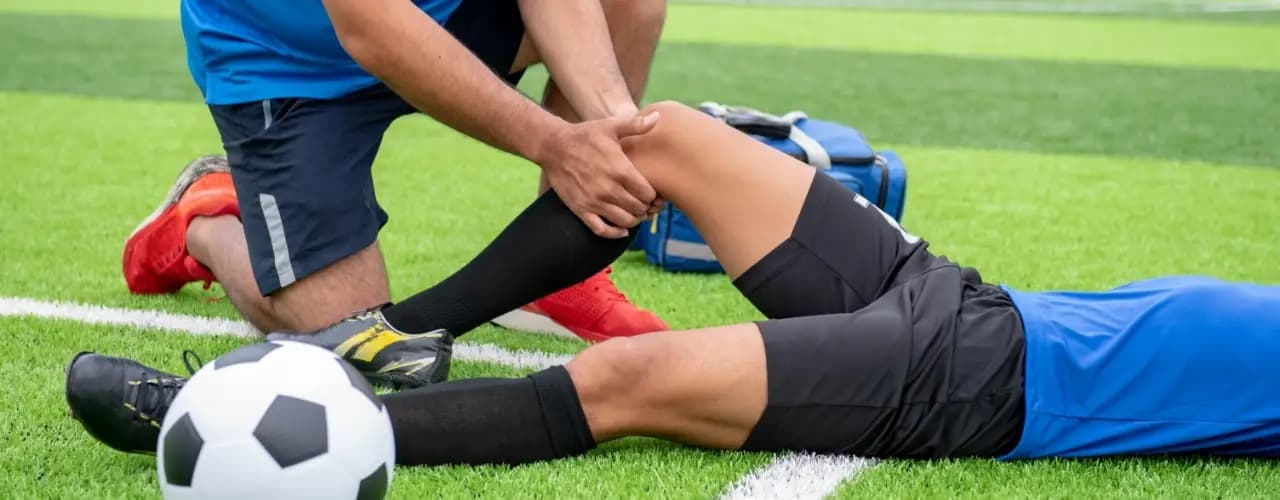
Preventing Sprains in Summer Sports: Play Hard, Stay Safe
Ankle and knee sprains spike every summer sports season — and most are preventable. The warm-up, strength, and landing habits that keep you on the field.
Santosh Singh
Registered Physiotherapist / Director