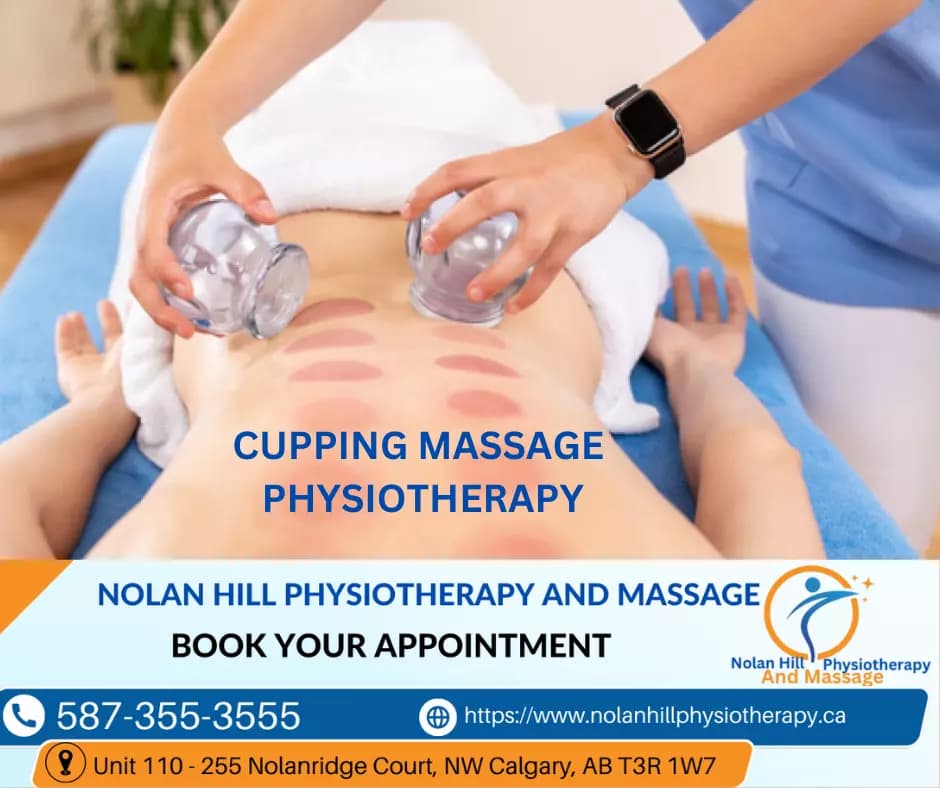
Cupping Massage Therapy in NW Calgary
Cupping lifts and decompresses tissue where massage presses down — a different stimulus that excels at releasing stubborn fascia and boosting circulation.
Why Patients Choose Us
The details that matter when you need expert care.
RMT-delivered cupping
Performed by a registered massage therapist with dedicated cupping training.
Negative-pressure release
Cups lift skin and fascia, decompressing tissue layers massage can't separate.
Boosts local circulation
Increased blood flow supports healing in chronically tight, congested tissue.
Static & dynamic techniques
Stationary cups for deep release; gliding cups for broad myofascial work.
Pairs with massage
Integrated into your massage session for the best of both approaches.
Direct billing
Billed under massage therapy benefits with most extended health plans.
What is cupping therapy?
Cupping is one of the oldest manual therapies in recorded history, used across Chinese, Middle Eastern, and European traditions — and it has found a firm place in modern recovery rooms, from physiotherapy clinics to Olympic training facilities. Silicone or glass cups create gentle suction on the skin, lifting the tissue layers upward instead of compressing them. That negative pressure:
- Separates and hydrates fascia (the connective tissue wrapping your muscles)
- Draws fresh blood flow into tight, congested areas
- Stimulates the nervous system to release protective muscle tension
- Creates space in tissue that's been compressed by posture or overuse
Static and dynamic cupping
In static cupping, cups are placed over trigger points or tight bands and left for several minutes while the tissue releases beneath them. In dynamic (glide) cupping, the therapist applies oil and slides the cups along the muscle — like a deep massage stroke in reverse. Most sessions blend both, integrated with hands-on massage for a complete treatment.
What cupping helps with
- Chronic back, neck, and shoulder tension
- Tight IT bands, hamstrings, and calves
- Postural strain from desk work
- Athletic recovery and pre-event preparation
- Scar tissue and fascial restrictions
- General stress and muscle fatigue
About the marks
Cupping often leaves circular marks — they're not bruises in the injury sense, but the result of blood drawn to the surface in the treated area. They're painless and typically fade within a few days to a week. Your therapist will adjust suction strength to your comfort and cosmetic preference.
Book cupping in NW Calgary
Our registered massage therapist with specialized cupping training serves patients from Nolan Hill, Sage Hill, Evanston, and across NW Calgary — 7 days a week, with direct billing under massage therapy benefits.
Frequently Asked Questions
Quick answers to common questions about this service.
Does cupping hurt?
Cupping creates a strong pulling sensation that most people find odd for a moment and then deeply relieving. Suction strength is always adjusted to your comfort.
How long do cupping marks last?
Typically 3-7 days. Darker marks usually appear over areas of greater tension or congestion and fade as circulation improves. Let your therapist know if you'd like lighter suction to minimize marking.
Is cupping covered by insurance?
When performed by our registered massage therapist within a massage session, it's billed under your massage therapy benefits — which we direct bill to most insurers.
How is cupping different from massage?
Massage compresses tissue downward; cupping decompresses it upward. The two are complementary — many stubborn tension patterns respond best to the combination.
What happens at my first cupping massage therapy visit?
At your first appointment with Nolan Hill Physiotherapy and Massage Clinic, you can discuss your concerns, relevant health information, and what you hope to address. The practitioner can explain whether cupping is appropriate for your appointment and review consent before proceeding. Ask what clothing allows comfortable access to the area being treated.
Can I book cupping massage therapy without a referral?
Referral requirements and direct-billing options can depend on your situation and the requirements of your extended health plan. Contact Nolan Hill Physiotherapy and Massage Clinic before booking to confirm whether a referral is needed and whether direct billing may be available for your plan. If you plan to claim the visit, ask your insurer about eligibility and required documentation.
How long does a cupping massage therapy session take?
The expected session length can vary based on the service booked and your needs. Nolan Hill Physiotherapy and Massage Clinic can confirm the appointment length when you schedule. Wear comfortable clothing that permits access to the area being addressed, and allow time to discuss your concerns and ask questions.
Ready to start your recovery?
Open 7 days a week in Nolan Hill, NW Calgary — with direct billing to most insurers.
Call 587-355-3555