
Post-Surgical Rehabilitation: What to Expect
From the first careful days to the final return-to-life testing — a realistic walkthrough of the post-surgical rehab journey, phase by phase.
Romy Mathew
Registered Physiotherapist
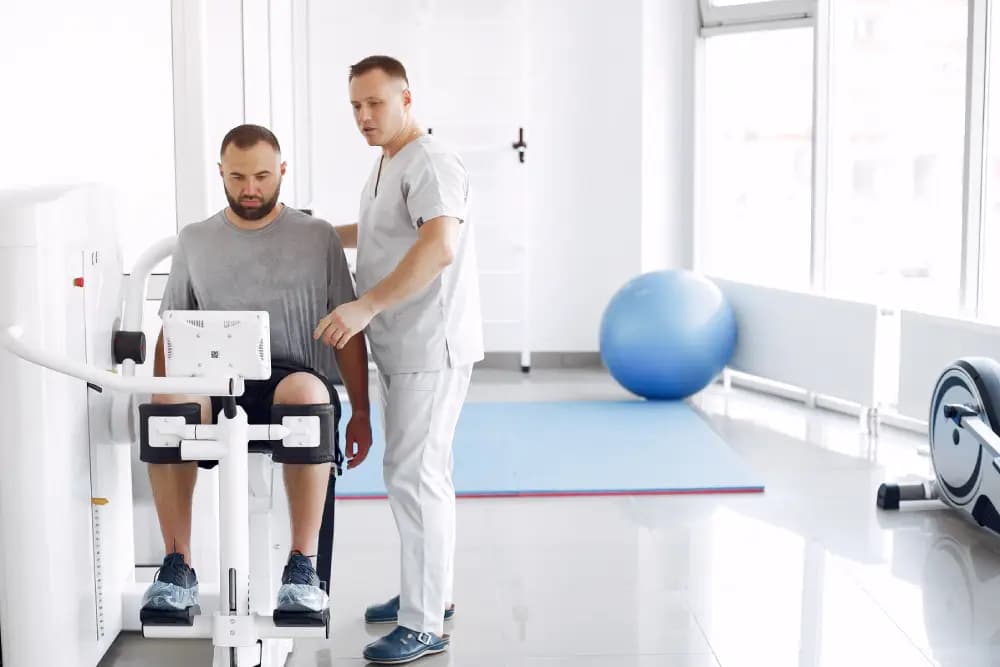
Surgery day gets all the attention, but ask any surgeon: the months after the operation decide the outcome. Knowing what those months look like removes a lot of anxiety — and helps you do your part well.
Phase 1: Protect and settle (roughly weeks 0-2, surgery-dependent)
The early job is straightforward: protect the repair, control swelling and pain, and prevent the complications of stillness. Expect gentle range-of-motion work within your surgeon's limits, swelling management (elevation, ice, compression as directed), early muscle activation — those "squeeze and hold" exercises matter more than they feel like they do — and clear guidance on movement precautions.
What surprises people: rehab often starts within days, sometimes day one. Early movement, properly dosed, is protective — not risky.
Phase 2: Restore motion and foundation (roughly weeks 2-6)
As tissue heals, the priority becomes reclaiming range before stiffness consolidates, plus foundational strength. Hands-on treatment helps here: joint mobilization, soft-tissue work around guarded muscles, and scar mobilization once the incision is fully closed. Expect homework — daily, brief, non-negotiable. Home-program consistency is the strongest patient-controlled predictor of outcome.
Phase 3: Rebuild capacity (roughly weeks 6-12+)
Now rehab starts resembling training: progressive resistance, balance and gait work, stairs, carrying, and the specific demands of your job and life. Discomfort during effort is part of this phase; sharp pain is not — we teach you the difference so you can push with confidence.
Phase 4: Return to everything (timeline varies widely)
The finish line isn't "no pain" — it's tested function: strength compared against your other side, movement quality under load, and graduated return to sport, yard work, or physically demanding jobs. Joint replacements typically span 3-6 months; ACL reconstructions run 9-12 months to sport; simpler arthroscopies far less.
How to be a great rehab patient
Do the home program, keep appointments even when you feel good (feeling good early is a phase, not the destination), report setbacks promptly, and feed the process — protein, sleep, patience.
Surgery booked or behind you? We coordinate with your surgeon's protocol and take it from there. Call 587-355-3555 — Nolan Hill Physiotherapy & Massage, NW Calgary, open 7 days a week.
Dealing with pain or an injury?
Our multidisciplinary team is here 7 days a week in Nolan Hill, NW Calgary — with direct billing to most insurers.
Call 587-355-3555Related Articles
More recovery insights from the Nolan Hill team
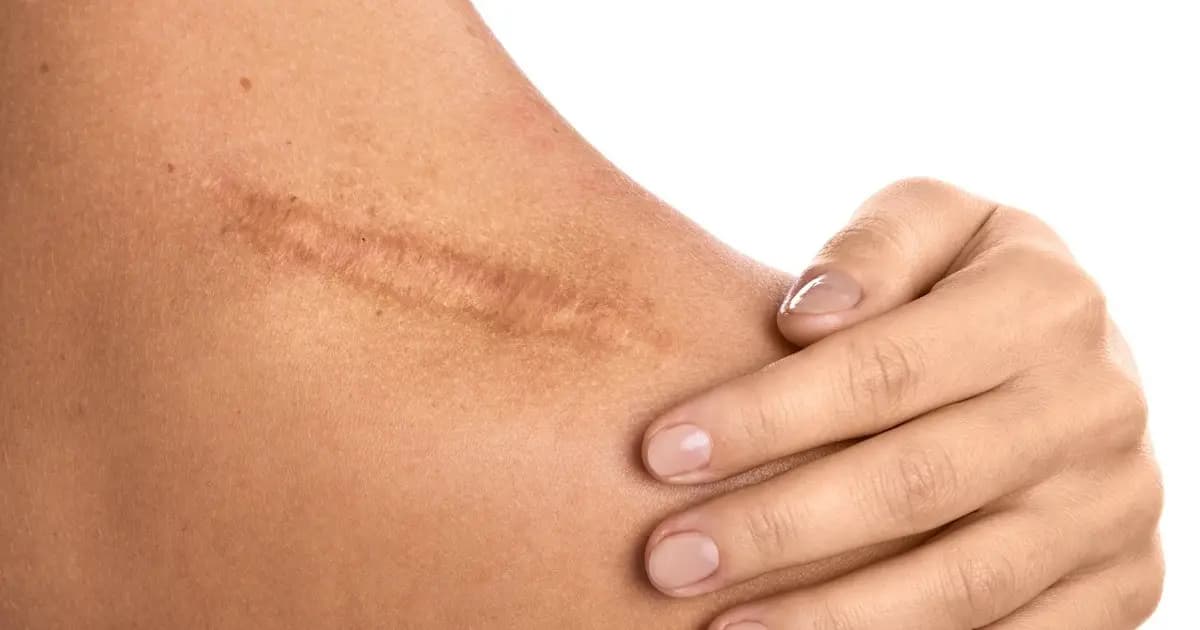
The Science of Scar Tissue Mobilization
Scars aren't just skin-deep — they can tether layers, restrict movement, and stay sensitive for years. The science of making scar tissue move well again.
Garima Singh
Registered Physiotherapist / Manager
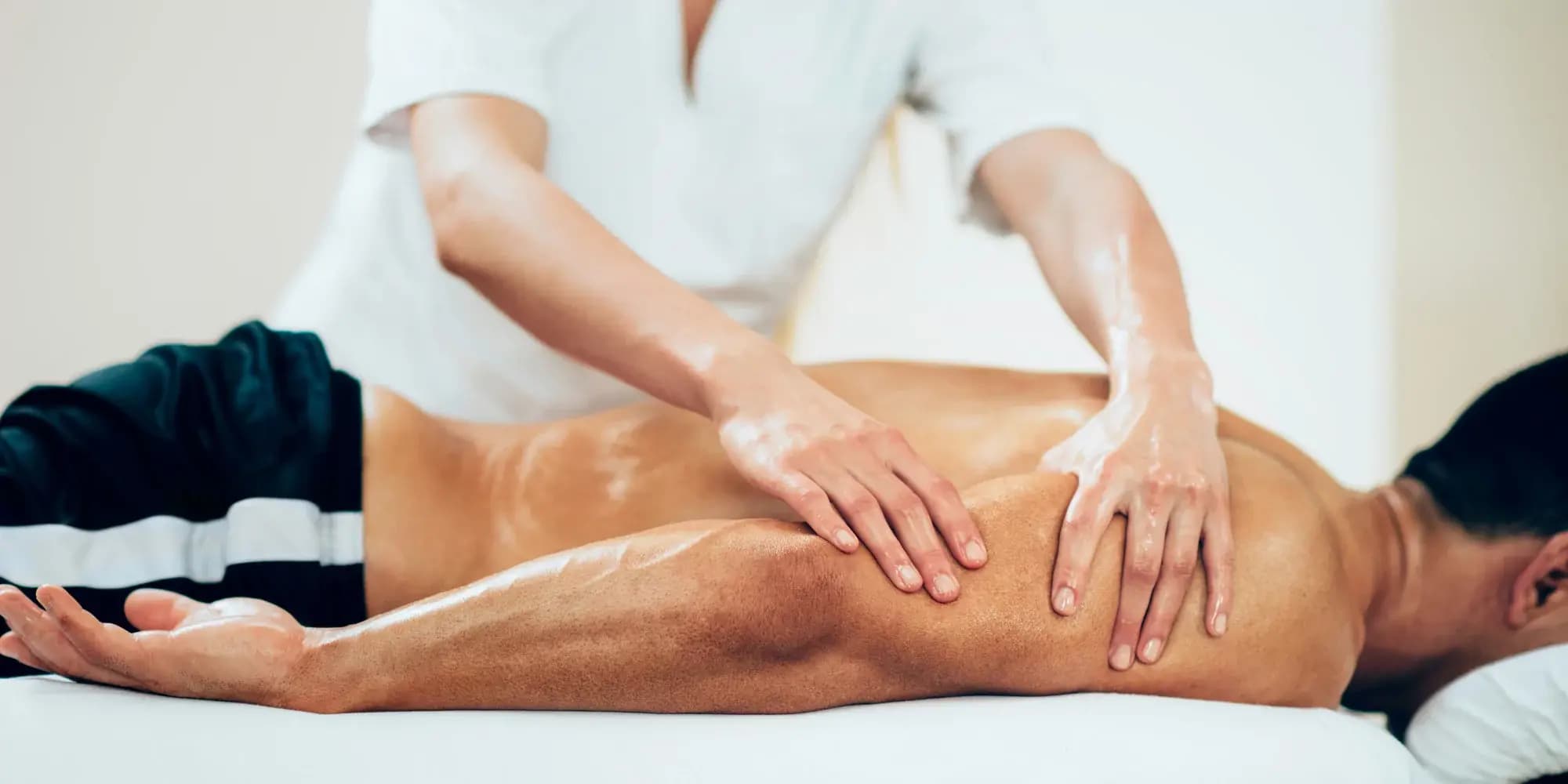
Why Massage Matters Before & After Surgery
Massage therapy has a legitimate place on both sides of an operation — calming the system before, and supporting tissue recovery after. Here's how to time it.
Nolan Hill RMT Team
Registered Massage Therapists

WCB Claims: How Physiotherapy Supports Your Case
Beyond treating your injury, your physiotherapy clinic plays a documented role in your WCB claim — objective reporting, capability tracking, and return-to-work planning.
Santosh Singh
Registered Physiotherapist / Director