
Hands-On Treatment for Lower Back Pain: What Works
Low back pain is the world's leading cause of disability — and one of the most treatable. Here's how manual therapy and movement combine for real relief.
Garima Singh
Registered Physiotherapist / Manager

If you've ever been stopped mid-movement by your lower back, you're in large company — most adults experience at least one significant episode. The encouraging part: the overwhelming majority of low back pain is mechanical, not dangerous, and responds well to the right combination of hands-on care and movement.
What's actually going on back there
Most episodes involve some mix of irritated facet joints, guarded and overworked muscles, sensitive discs, and a nervous system that has — quite reasonably — turned up the alarm. Serious causes are rare, and we screen for them at every assessment. For everything else, the treatment story is consistent: calm it down, get it moving, make it strong.
The hands-on toolkit
- Joint mobilization and manipulation — graded movements that restore glide to stiff spinal segments and reduce pain via the nervous system
- Soft tissue and trigger-point release — the erector spinae, quadratus lumborum, and gluteal muscles guard hard during a flare; releasing them restores tolerable movement
- Dry needling — for deep, stubborn muscle guarding that resists hands-on pressure
- Nerve mobility techniques — gentle, graded movement for sciatica-type symptoms that travel down the leg
Manual therapy's job is to open a window of relief. What you do with that window determines whether the relief lasts.
Movement: the active ingredient
- Early walking — frequent short walks outperform bed rest in essentially every study
- Direction-specific exercises — many backs prefer one direction (often extension or flexion); we find yours and use it
- Progressive strengthening — hips, glutes, and trunk, loaded gradually until your back has capacity to spare
- Confidence restoration — learning that your back is strong and adaptable is itself therapeutic; fear of movement predicts chronicity better than imaging findings do
When to come in
If pain is severe, has lasted more than a week or two, travels down a leg, or this is your third episode this year — get assessed. Recurring back pain is a capacity problem, and we can fix capacity.
Book at 587-355-3555 — open 7 days a week, direct billing available, Nolan Hill NW Calgary.
Dealing with pain or an injury?
Our multidisciplinary team is here 7 days a week in Nolan Hill, NW Calgary — with direct billing to most insurers.
Call 587-355-3555Related Articles
More recovery insights from the Nolan Hill team
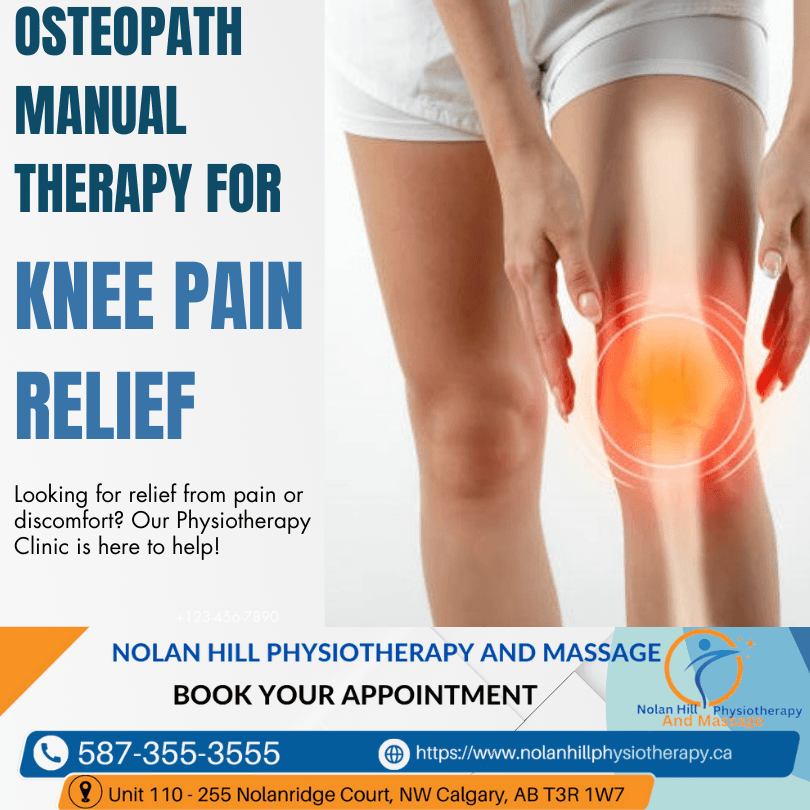
Manual Therapy for Knee Pain: How Hands-On Care Helps
Knee pain rarely starts and ends at the knee. Here's how manual therapy and targeted rehab address the whole chain — hip, knee, and ankle — for lasting relief.
Romy Mathew
Registered Physiotherapist

Manual Therapy Techniques for Chronic Pain
When pain has persisted for months or years, hands-on treatment plays a different role — calming a sensitized system while exercise rebuilds trust in movement.
Santosh Singh
Registered Physiotherapist / Director
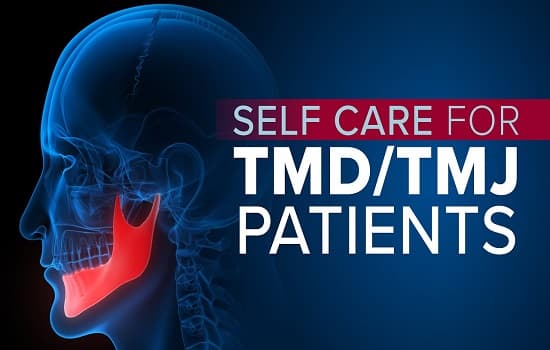
Therapeutic Exercises: The Engine of Every Good Rehab Plan
Hands-on treatment feels great, but exercise is what makes recovery permanent. Here's how therapeutic exercise works and what a well-built program looks like.
Garima Singh
Registered Physiotherapist / Manager