
Hands-On Care for Hip Pain: Finding the Real Source
Hip pain wears many disguises — groin pinch, outer-hip ache, deep buttock pain. Identifying the true source is the first step to fixing it.
Romy Mathew
Registered Physiotherapist
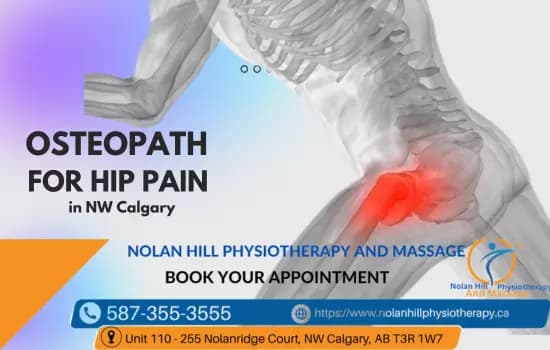
"My hip hurts" can mean five different problems in five different places. The first job of a good assessment is sorting out which one you actually have — because their treatments differ substantially.
The usual suspects, by location
- Groin pain — usually the hip joint itself: arthritis, impingement (FAI), or labral irritation. Often pinches with deep squatting or getting out of a car.
- Outer hip pain — typically gluteal tendinopathy or bursitis (greater trochanteric pain syndrome). Hurts lying on that side and standing on one leg.
- Deep buttock pain — gluteal trigger points, deep rotator overload, or referred pain from the low back; can mimic or accompany sciatica.
- Back-of-hip / hamstring origin pain — proximal hamstring tendinopathy, common in runners and after prolonged sitting.
And sometimes "hip pain" isn't the hip at all — the lumbar spine refers pain into the hip region constantly, which is why we examine both at every hip assessment.
What hands-on treatment does
- Joint mobilization — improving the hip's glide and rotation eases the pinching patterns of impingement and the stiffness of early arthritis
- Soft tissue release — the hip flexors, glutes, deep rotators, and TFL accumulate enormous tension; releasing them changes symptoms quickly
- Dry needling — particularly effective for stubborn gluteal trigger points that refer pain down the leg
- Lumbar treatment — when the back is contributing, treating it is non-negotiable
The strengthening that makes it last
The hip rewards strength work more than almost any region. Progressive loading of the glutes (all three), deep rotators, and hip flexors addresses the root cause of most tendinopathies and protects arthritic joints. For outer-hip pain specifically, load management — temporarily avoiding leg-crossing and side-lying compression — plus graded strengthening is the evidence-backed recipe.
Don't let it set the pace of your life
Hip pain that lingers changes how you walk, sleep, and exercise — and those compensations create their own problems. An assessment pinpoints the source and starts the fix the same visit.
Call 587-355-3555 — Nolan Hill Physiotherapy & Massage, NW Calgary, open 7 days a week.
Dealing with pain or an injury?
Our multidisciplinary team is here 7 days a week in Nolan Hill, NW Calgary — with direct billing to most insurers.
Call 587-355-3555Related Articles
More recovery insights from the Nolan Hill team
Manual Therapy for Knee Pain: How Hands-On Care Helps
Knee pain rarely starts and ends at the knee. Here's how manual therapy and targeted rehab address the whole chain — hip, knee, and ankle — for lasting relief.
Romy Mathew
Registered Physiotherapist
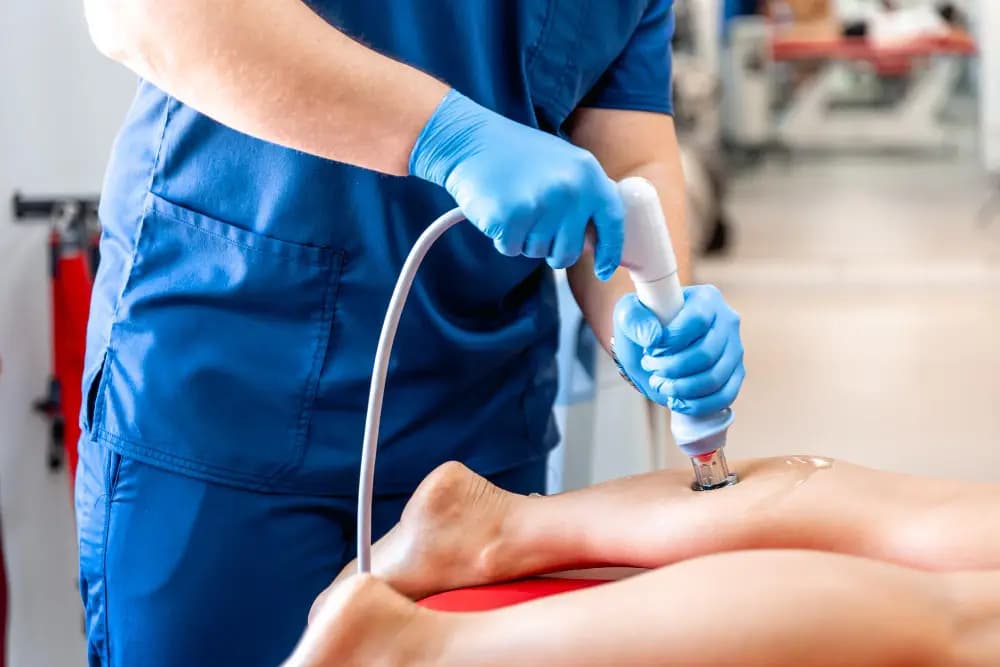
Laser Therapy for Arthritis: A Non-Invasive Option
For arthritic joints too sensitive for firm hands-on work, cold laser offers a painless way to calm inflammation and support exercise therapy.
Nolan Hill Physio Team
Registered Physiotherapists

Manual Therapy Techniques for Chronic Pain
When pain has persisted for months or years, hands-on treatment plays a different role — calming a sensitized system while exercise rebuilds trust in movement.
Santosh Singh
Registered Physiotherapist / Director