Cold Laser Therapy Explained: Relief for Active Lifestyles
It doesn't cut, burn, or buzz — so what does cold laser actually do? The science of photobiomodulation, in plain language.
Nolan Hill Physio Team
Registered Physiotherapists
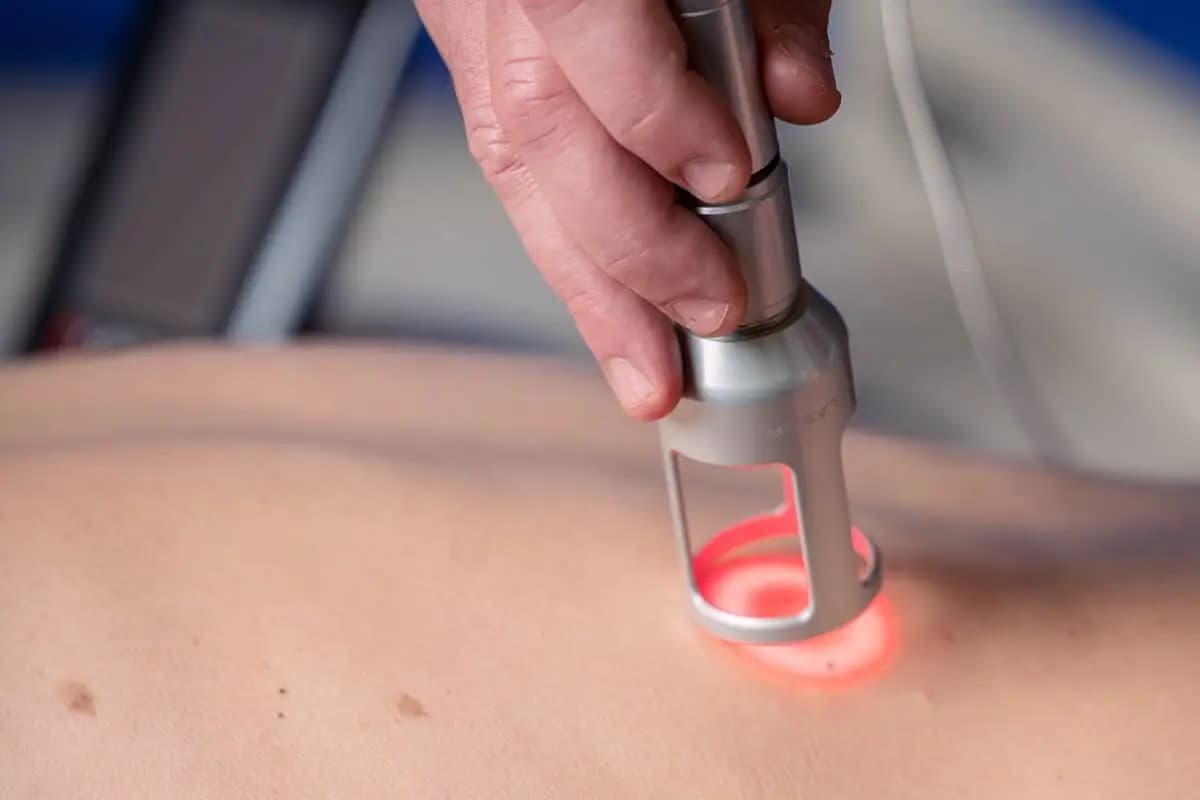
"Laser" conjures images of cutting and cauterizing — which makes cold laser therapy's complete painlessness confusing for first-timers. Here's what's actually happening when we treat tissue with light.
The mechanism, in plain language
Cold laser (low-level laser therapy, or photobiomodulation) delivers specific wavelengths of red and near-infrared light into tissue. Those wavelengths penetrate the skin and are absorbed by structures inside your cells — most importantly the mitochondria, your cells' power plants. The absorbed light nudges them to produce more ATP, the energy currency cells use for everything, including repair.
Downstream of that energy boost, research observes: increased collagen production in healing tissue, improved local microcirculation, reduced inflammatory signalling, and decreased pain transmission. No heat damage, no sensation beyond mild warmth — the doses are far below anything that could harm tissue, which is exactly why it's called cold laser.
What it's useful for
Cold laser earns its spot as a supporting tool in rehab plans for:
- Osteoarthritis — particularly knees and hands, where it's a gentle option for flared, sensitive joints
- Tendinopathies — Achilles, elbow, rotator cuff
- Acute sprains and strains — supporting the early healing window
- Plantar fasciitis
- Repetitive strain injuries in wrists and forearms
It's especially valuable for patients who can't tolerate firm manual work, are sensitive to medications, or want every available stimulus working on a stubborn injury.
Honest expectations
Laser is a supporting treatment, not a standalone cure. Sessions take minutes, effects accumulate over a series, and the heavy lifting in most recoveries still comes from progressive exercise. We use laser the way it performs best: layered into a complete plan alongside hands-on therapy and loading work.
Trying it in NW Calgary
Laser treatment happens within your regular physiotherapy visit — no separate fees, standard insurance coverage, direct billing available. If you're curious whether your condition is a good fit, ask at your next visit or call 587-355-3555. Open 7 days a week at Unit #110, 255 Nolanridge Court NW.
Dealing with pain or an injury?
Our multidisciplinary team is here 7 days a week in Nolan Hill, NW Calgary — with direct billing to most insurers.
Call 587-355-3555Related Articles
More recovery insights from the Nolan Hill team
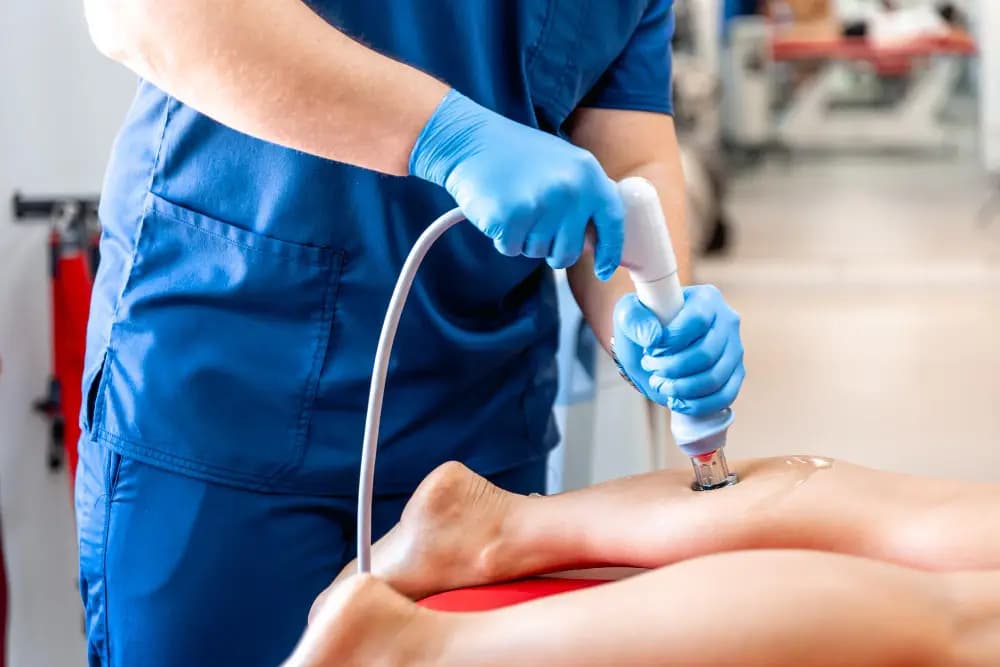
Laser Therapy for Arthritis: A Non-Invasive Option
For arthritic joints too sensitive for firm hands-on work, cold laser offers a painless way to calm inflammation and support exercise therapy.
Nolan Hill Physio Team
Registered Physiotherapists
Therapeutic Exercises: The Engine of Every Good Rehab Plan
Hands-on treatment feels great, but exercise is what makes recovery permanent. Here's how therapeutic exercise works and what a well-built program looks like.
Garima Singh
Registered Physiotherapist / Manager
Manual Therapy Techniques for Chronic Pain
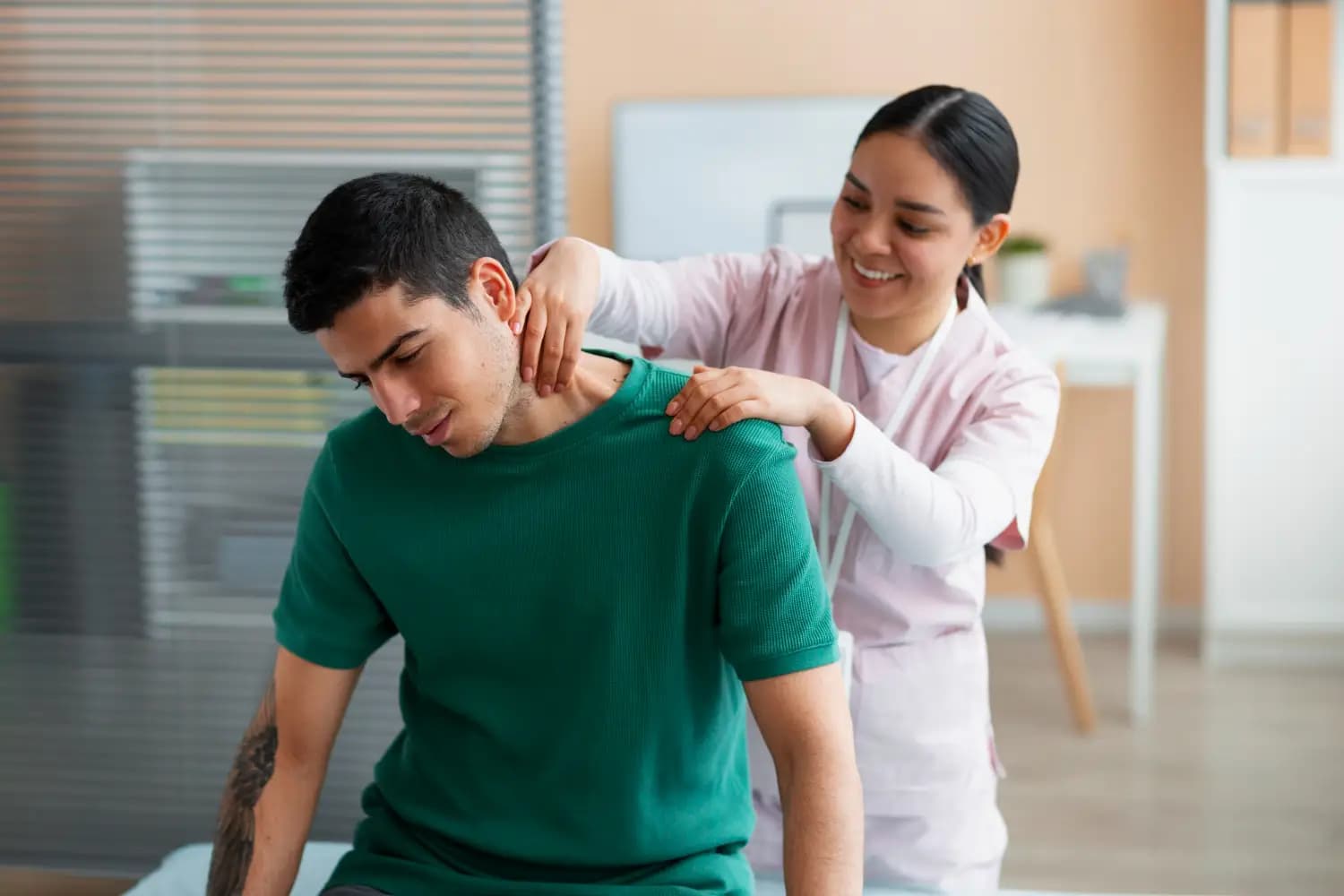
When pain has persisted for months or years, hands-on treatment plays a different role — calming a sensitized system while exercise rebuilds trust in movement.
Santosh Singh
Registered Physiotherapist / Director